Showing posts with label Covenant Theology. Show all posts

Saturday, 4 October 2025

Great Theologians 3: John Murray

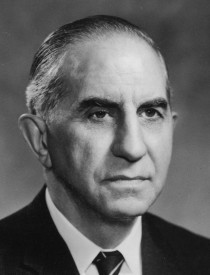
John Murray (1898-1975)

John Murray was a Scottish-born Presbyterian theologian who spent most of his career at Westminster Theological Seminary in Philadelphia. He was an ordained minister of the Orthodox Presbyterian Church (OPC).

Born in Sutherland in the far north of Scotland in 1898. Murray served in the Black Watch regiment during the First World War, losing an eye in the war. After the war, he became a theological student at the University of Glasgow and was a member of the Free Presbyterian Church of Scotland. He went to the USA to pursue further studies under J. Gresham Machen and Geerhardus Vos at Princeton Theological Seminary. In 1930, he broke with the Free Presbyterian Church and also moved with Machen from Princeton to the newly formed Westminster Theological Seminary, where he lectured in systematic theology for many years. He was also a trustee of the Banner of Truth Trust.

Murray never wrote his own systematic theology. His many essays and papers are published in four volumes of Collected Writings. His other major work was an excellent commentary on Romans in the New International Commentary series. He also wrote some popular-level works, including Redemption Accomplished and Applied which was the first book of Murray's that I read.

In my view, Murray's importance as a Reformed theologian lies not so much in the volume of writings he produced, but in some of the shorter works and essays he wrote. His short work The Covenant of Grace for example represents an important and novel approach to this key Reformed doctrine. The report he co-authored with Ned Stonehouse on The Free Offer of the Gospel is another short, but important and influential work.

After retiring from Westminster in 1966, Murray returned to Scotland to help look after his elderly sisters who still lived in Ross-shire. He joined the Free Church of Scotland and got married at the age of 69 in 1967 and had two children. Murray died on 8th May 1975 at the age of 76 and is buried in the Free Church Cemetery at Creich in the Scottish Highlands.


Thursday, 17 June 2010

Introducing Covenant Theology

Introducing Covenant Theology
Michael Horton
Baker Books

Michael Horton is one of the leading Reformed theologians working today and I have enjoyed reading several of his previous books. This book on covenant theology is no exception - it is tremendous.

The title is slightly misleading if you don't read it carefully. This is certainly not a mere introduction to covenant theology, but rather it does introduce us to fairly high-level current thinking on covenant theology. The book was formerly published with a different title, God of Promise, which I think was better.

For someone coming totally new to this area of theology, I think this book would be very challenging reading, and I would suggest perhaps something else as a first book on covenant theology. You could do a lot worse than reading James Packer's essay on covenant theology that was written as an introduction to Witsius's magnum opus, The Economy of Covenants Between God and Man. You can find Packer's essay here.

I really benefited from reading this book. Its discussion of the similarities and differences between the biblical covenants and the so-called suzerain-vassal treaties of the ancient Near East is excellent. Horton makes it clear that the Bible contains two forms of these treaties or covenants, and neither is what we would understand by a contract or agreement.

For Horton, there are covenants of law - and this includes the covenant of works with Adam before the Fall, and the Mosaic covenant at Sinai - and there covenants of promise - and this includes the covenants with Abraham, Noah, David and the New Covenant. Both are similar to these suzerain-vassal treaties, meaning that all are sovereignly imposed by God, but in the former case, there are obligations put on the people to obey and penalties for disobedience. This is the kind of treaty a conquering king would impose on a defeated nation after war.

But Horton correctly notes that many biblical covenants do not fit this pattern. The archetypal biblical covenant, the Abrahamic covenant, does not fit this pattern, for there no obligations are placed on Abraham - it is all promise, it is all grace. It is a treaty where the only obligations are taken by the king himself (in this case God) and the only potential penalties are self-maledictory ones. This points to the fact that the Covenant of Grace is unconditional in nature as far as we are concerned, though it was conditional as far as Christ was concerned.

There are interesting discussions within the book of such things as common grace, the sacraments, the church, and where our obedience fits into the covenant of grace scheme.

As I said before, this book is excellent and highly recommended, but perhaps don't think of it as a simple or basic introduction. It is actually a significant contribution to current Reformed thinking on covenant theology.

Thursday, 14 January 2010

Our Covenant God

The following was the sermon at the evening service at Bridgeton on 10 January 2010. It has been lightly edited for internet use. The Bible reading was 1 Kings 8:22-30.

Did you hear about the latest Bible to be released in the shops? It only costs £1.00 and it’s called the New Year’s Resolution Bible. It only has the first three chapters of Genesis in it.

New Year resolutions are promises we make to ourselves, aren’t they? But like the joke suggests, they aren’t promises we tend to stick to all that well. I’m going to suggest a new year’s resolution for you that I hope you will be able to keep, and that’s to grow as a Christian this year. That’s not just a good idea; as Christians, it’s what’s expected of us. 1 Peter 2:2-3 says:
Like newborn babies, crave pure spiritual milk, so that by it you may grow up in your salvation, now that you have tasted that the Lord is good.
One of the best ways we can grow as Christians is just to spend time getting to know God better through reading a portion of his word regularly. The Bible is full of passages that help us understand better what God is like. And as we get to know him better and love him more, so this shapes our lives, not only in what we believe, but in how we live. This is what Paul teaches in 2 Timothy 3:16-17:
All Scripture is God-breathed and is useful for teaching, rebuking, correcting and training in righteousness, so that the man of God may be thoroughly equipped for every good work.
Our passage tonight is not particularly well-known. But it’s a passage that tells us many important things about God. So let’s look at this passage we have in front of us and see what God has to teach us about himself tonight because if we really grasped and lived in the knowledge of these truths, I think all of us would grow as Christians this year.

To begin with, just a brief word of background to the passage. One of King David’s unfulfilled dreams was to build a temple for the Lord to honour him and so that David's God didn’t have to 'live in a tent.' When David died, his son, Solomon, was his successor. And at the beginning of Solomon’s reign, there was a period of peace and prosperity in Israel. And Solomon decided that this was the right time to finally build a temple to the Lord in Jerusalem. The temple took seven years to build, although we learn something about Solomon’s attitude from the fact it took 13 years to build his palace in Jerusalem and the palace was nearly double the size of the temple! But that’s an aside. When it was finished, Solomon ordered that the Ark of the Covenant be brought from the Tabernacle, the Tent of Meeting, and be placed in the inner chamber of the new temple, the holy of holies. And as the priests left the Ark there, 1 Kings 8:10-11 says:
‘When the priests withdrew from the Holy Place, the cloud filled the temple of the LORD. And the priests could not perform their service because of the cloud, for the glory of the LORD filled his temple.’
Imagine the scene. The new temple has been built – seven years in the making – and now God himself gives the work his seal of approval as it were by actually taking up residence and dwelling in the temple itself, symbolised by the shekinah glory cloud.

At which point, Solomon first addresses the assembled Israelites and tells them that he has built this temple in accordance with his father’s wishes and in accordance with God’s promise to David. He then stood before the altar in the temple and began to pray. And the passage we’re looking at is the first couple of paragraphs really of what is a long and mighty prayer that Solomon spoke that day.

We’re going to have a look at five things this prayer of Solomon’s teaches us about God:
  • God is faithful
  • God is loving
  • God speaks to us
  • God listens to us
  • God is mighty and can answer prayer.
So, let’s have a look at the first of these five things this passage appeared to me to be teaching us. And it’s that the LORD is a faithful God. The very name of God speaks of his faithfulness. As you’ll know, when the Bible has the word LORD in capital letters, this is the personal, covenant name of God, that the Jews thought was so holy they wouldn’t write it all out, but just the consonants YHWH. This is God’s personal name, Yahweh, the name he revealed to Moses at the burning bush, the name that means I AM THAT I AM. And this was the name that God revealed only to his own people, Israel. It is a name that speaks of God’s commitment and love for his own people – and that includes you and me – everyone Christian is part of God’s special covenant people through Jesus Christ.

But it’s not just in his name that the passage speaks of God’s faithfulness to his people. The passage is full of the idea. Verse 23 is the key verse in the passage:
O Yahweh, God of Israel, there is no God like you, in heaven above or in earth beneath, keeping covenant and showing steadfast love to your servants…
The covenant relationship that God has with people speaks of faithfulness. A covenant is a solemn promise, a total commitment between two parties. A covenant resembles a marriage, which is a specific kind of covenant. God’s covenant with his people is little different. It’s not a bond between two equals entering into a commitment to love each other and share their lives; it’s a bond between the sovereign king of the universe and unworthy sinners, and so it is often called a covenant of grace. But like a marriage, it is nevertheless a bond of love between God and his people. The covenant of grace is also a sign of his faithfulness and commitment to his people.

Verse 24 also speaks of commitment and faithfulness. Solomon points out that God kept his promises to Solomon’s father, King David. ‘You spoke with your mouth, and with your hand have fulfilled it this day.’

Now when you stop and think about it, God’s faithfulness to his people is actually an amazing thing. It truly is amazing grace. Even a cursory reading of the Old Testament shows that the Israelites were anything but faithful to their God. Scarcely were they delivered from Egypt before they turned their backs on the invisible God to build themselves a golden calf. During their 40 years in the wilderness they continually grumbled and complained and turned away from God. During the time of the judges, the Bible says that ‘everyone did what was right in his own eyes’ and sin was rampant. Later they chose for themselves a human king to be like the other nations, even though God told them that he was their king. And so it went on and on through the time of the prophets and eventual exile in Babylon. God’s covenant people were anything but faithful to God. And the same is just as true of us. Rarely in Christian history has the church lived up to its calling and mission. If it were a matter of merit, how could God be faithful to people like us? People who sin in thought, word and deed every single day?

But thanks be to God that he is faithful, not because of anything in us, but because of his own grace and mercy. And this means God can be trusted and relied on by us all the time. He never plays us false. He never changes. He never gets fed up with us. And that’s really foundational for our relationship with him, isn’t it? All around us might fail and fall away, but God will stand by us, no matter what. He is faithful forever.

The second thing this passage teaches is that Yahweh is a loving God. Indeed, it is from God’s love that his faithfulness and grace to his people flows. He abides with us, because he loves us. Again, verse 23 brings this out:
O LORD, God of Israel, there is no God like you…keeping covenant and showing steadfast love
The Hebrew word translated ‘steadfast love’ is ‘chesed’ and it’s a very rich word that occurs some 275 times in 27 out of the 39 books of the Old Testament. It is the word used to describe God’s covenant love. It means all of the following: a great, steadfast, unfailing, constant love, mercy, grace and lovingkindness. It the love that God has for his own people, his children and so it is a deep and special love, a love that is sure and steadfast, a love that sought us and saves us.

That’s the kind of God we know and worship, a God of love. In the New Testament, we even find the apostle John teaching that ‘God is love.’ Love is at the very centre of God’s being and personality. Love is the very reason God created the universe, the reason God is working to save the human race, and the reason why he will one day renew the whole universe at the end of the age.
For God so loved the world, that he gave his one and only Son, that whoever believes in him will not perish but have eternal life’ (John 3:16).
The challenge for us to somehow catch a glimpse of the greatness of God’s love. It is so great that to glimpse it, to recognise it, is like staring into a blinding light. It is dazzling and awesome and inspiring and life-changing.

The love of God is like a comforting presence with us all the time. No matter what we go through, we have this knowledge with us: God loves us and wants the best for us. And he’s in control of our lives, even when we’re not, even when bad things are happening to us. As Romans 8:28 says:
And we know that for those who love God all things work together for good, for those who are called according to his purpose.
That’s why we could sing earlier that he or she ‘who trusts in God unchanging love / builds on the rock that none can move.’

The third thing the passage tells us about God is that he is a speaking God. He is a God who communicates with us, a God who reveals himself to human beings. This truth is sprinkled throughout the passage in different verses.

Verse 24, ‘Who have kept with your servant David my father what you declared to him. You spoke with your mouth, and with your hand have fulfilled it this day.’

Verse 25, ‘Keep for your servant David my father what you have promised him, saying…’

Verse 26, ‘Now therefore, O God of Israel, let your word be confirmed, which you have spoken…’

As Christians we’re so used to this concept that we can almost take it for granted that God speaks to us. But consider all the pagan gods in the world, all the gods of wood, stone and metal that men worship. They are dumb idols. They do not speak. They do not communicate. Consider all the imaginary gods of other religions. People might think they are hearing from their god, but they aren’t because they are not real. There is only one god – Yahweh, the God of Israel.

So how does God speak to us? Well, I think we have to say that there are several different ways. God can speak to us in any way he chooses. Sometimes, he speaks to us by putting thoughts into our heads. Sometimes, he speaks to us through what other people say to us. Sometimes, he speaks to us through events, through things that happen in our lives. Sometimes, he even speaks to people in visions or dreams. But the most important and authoritative way God reveals himself is through his Word, through his written Word the Bible, and through the eternal Word, Jesus Christ himself. As Hebrews 1 says:
In the past God spoke to our forefathers through the prophets at many times and in various ways, but in these last days he has spoken to us by his Son, whom he appointed heir of all things, and through whom he made the universe.
The fact that God speaks to us, flows from the fact that he loves us, and leads on to the fact that he is faithful. Do you see what I mean? Because he cares about us, he wants to talk to us. He wants to tell us about himself. He wants to tell us the truth about himself, and about us and about life. He wants to warn us so we won’t make mistakes and do wrong things. He wants to promise us good things to come in order to encourage us. His words to us flow from his loving character. But they also form the basis of his faithfulness. God makes promises. He tells us how things are going to be. And God keeps his word. A promise from God is more certain than seeing something with our own eyes.

The fourth thing to note from the passage is that God is a listening God. It’s one thing to consider that the sovereign Lord of the universe might communicate with tiny little specks of humanity like us. After all, the 'great' sometimes communicate with ordinary people. Kings issue proclamations. Prime Ministers make speeches. Parliaments pass laws. Judges hand down judgements. These days, every famous person seems to write a blog or have a website to reach their fans. So it’s one thing to consider that God might speak to us.

But it’s simply astonishing that the creator of the universe might actually want to listen to us as well! Yet the passage tells us that it’s true. God listens to us. He hears our prayers and answers them. Solomon speaks to God in this passage and petitions him with requests in the belief that the Lord will hear and answer him. The very fact that he prays at all testifies to this, never mind praying in public before all the people.

Verse 28: ‘Have regard,’ he says (pay attention, listen to), ‘the prayer of your servant and to his plea, O LORD my God, listening to the cry and to the prayer that your servant prays before you this day, that your eyes may be open night and day toward this house…Listen in heaven your dwelling place, and when you hear, forgive.’

Does it sometimes feel as if we’re only talking to ourselves or to each other when we pray? Well it isn’t like that you know. God is listening and watching everything that happens in the world of course. There’s nothing he doesn’t know about. All our conversations are known to God. But our prayers are not heard in that way, like divine omniscient CCTV. Our prayers are heard in a special way because they are addressed to him.

Prayer is such a huge subject, I can’t go into it in much detail tonight, but taken together with the other things we know from this passage about God: that he loves us, that he speaks to us, and that he’s faithful to us and to what he’s promised, this should encourage us to pray. When we pray, we are not addressing some cold, remote deity. We are speaking to our heavenly Father, who loves us. God tells us in his Word that he wants us to pray to him and he wants to give us what we ask for in His name. So our prayers are neither falling on deaf ears, nor is he reluctant to give us what we ask for. There’s nothing he likes better. The only time God won’t give us what we ask is when it isn’t the best thing for us. And when we ask for something that isn’t the best for us, we are not really asking for it in his name, because his name is Yahweh, and that means that is the covenant God who always and only does good to his people.

Our fifth and final point is that the LORD is a mighty God. As a modern worship song puts it:
Our God is an awesome God,
He reigns from heaven above
with wisdom, power and love,
Our God is an awesome God.
Obviously that’s linked to the fact that God listens to us and wants us to pray. After all, what’s the point of asking God if he can do things in this world if lacks the power or ability to carry it out?

It’s not that the passage says that God is mighty in so many words in this passage, but it’s implicit in the whole passage that God is mighty and awesome. For one thing, Solomon speaks to God in the knowledge that he can carry out what is asked of him. After all, who but an almighty God can organise history so that promises to one king are kept years later after his death? Who but an almighty God can ensure that one of King David’s successors would rule on his throne forever? Solomon was a rich and powerful man, but he recognises that God is ‘way out of his league’. Even the great temple that they had constructed in Jerusalem was like a joke compared to God’s majesty and power. Solomon can scarcely believe that God would dwell in a building at all. ‘But will God indeed dwell on earth?’ he asks. ‘Behold, heaven and the highest heaven cannot contain you; how much less this house that I have built!’

God is so big that the vast expanse of space cannot hold him.

I was recently at the planetarium at Glasgow Science Centre. There you see how the night sky would look on a clear night in the dark, away from the city lights. There are hundreds of visible stars, and millions of stars in our own galaxy, the Milky Way. And the Milky Way is only one of millions of such galaxies in the universe. Millions of galaxies. Billions of stars. Possibly trillions of planets. And yet all that unimaginable expanse of outer space is not big enough to hold God. In fact He created it by his Word.

That means that God is powerful and mighty enough to deal with anything that happens in the whole of space. All the events on earth, all our lives, are just one infinitesimal part of the universe and God is more than able to answer our prayers to change things on earth.

The passage is all good news for us with five aspects of God to comfort us and lead us through this year: his faithfulness, his love, his Word, his listening ear and his might. There’s only one thing for us to do in response and that’s to have faith in this God. To believe in him and follow him in obedience. That’s what that little phrase at the end of verse 23 means where it talks about ‘your servants who walk before you with all their heart.’

God’s servants are people who have faith in him, and our calling is to walk with him with all our heart. In other words to be committed to him wholeheartedly is God wants from us.

So at the start of 2010, let’s re-dedicate ourselves to our God, because there’s no-one else like him. There’s no-one else who deserves our total commitment, because our covenant God is totally committed to us.

Monday, 11 May 2009

Covenant Theology

Covenant Theology
by Peter Golding
Mentor (Christian Focus Publications)

Most entries in the Mentor series of books from CFP have proven to be worthwhile and beneficial acquisitions. This book by Peter Golding is no exception.

It seeks to serve as an introductory text to covenant theology, though to be honest I don't think it wholly achieves this purpose. The book concentrates much more on the history of covenant theology than it does on the nuts and bolts exegesis or hermeneutics through which we arrive at a consistent covenant theology.

Because of its strength - in dealing with the historical development of the doctrine of the covenant from the Reformers through the Puritans and on to 19th and 20th century theologians who further developed covenant theology, I do not think the book would be of much benefit to those who are not serious students of Reformed theology. Indeed, I expect the average Christian would give up perplexed before they reached halfway through the book.

On the other hand, the book is useful as a summary of covenant theology history and worthwhile for that reason.

For a more exegetical book, I would recommend Palmer Robertson's Christ of the Covenants and David McKay's The Bond of Love in the same Mentor imprint. The classic pamphlet by John Murray on The Covenant of Grace is also required reading in my opinion.

Saturday, 14 July 2007

The God of Israel

The following sermon was preached at an Evening service on Sunday, 8th July 2007.

When I started university, at the beginning of term, I received a list of books for each class that I would be expected to read by the end of the year. And like any new and enthusiastic young law student I headed off to the university bookshop with my list and picked up copies of all the books I would need to read. I could hardly carry them homeThe . When I got into the house I stacked the books up on a table and felt a horrible feeling in the pit of my stomach. The stack of books was about three feet high. I thought to myself “There’s no way you’re going to be able to read, never mind learn and remember all this by the end of the year.” The task seemed to big, so overwhelming that for a few days I couldn’t face reading them at all.

But then classes started and I had to start reading them. And bit by bit over the course of the year I did read them – or at least large parts of them – and I ended up remembering enough to pass my exams at the end of the year and progress through my course.

I learned that the key to tackling a big reading task is to do it a bit at a time and break it down into smaller, achievable targets.

In the Bible, a book as big and intimidating as the Prophecy of Isaiah can affect us the same way. Sixty-six chapters of prophecy sounds like tough going, doesn’t it? The prophet Isaiah ministered for about 50 years from the death of King Uzziah in 739 BC till the death of King Hezekiah in 686 BC and his book reflects the length and depth of his rich prophetic ministry to the people of Israel.

How will we get through it, never mind understand it. I think the same solution applies: we need to tackle it a little bit at a time.

In the three weeks we’ve got together we’re going to look at just one chapter of Isaiah’s prophecy, Isaiah chapter 44, which is a very typical Isaiah chapter many ways, in that it deals with some of the themes that Isaiah touches on time and again in his prophecy, including the sin of idolatry and the redemption that God would send to his people. But this week, in the first section from verses 1 to 8, we see some important things about the relationship between God and his people, so I’ve called tonight’s service “The God of Israel.”

It has some great things to teach us about God’s love and grace and mercy towards his people, how he cares for them, and it shows us how God expects his people to treat him in return.

Isaiah chapter 44 comes in the middle of the great fourth section of Isaiah’s prophecy which runs from Isaiah chapter 40 through to chapter 55. These chapters, though I believe written several hundred years before the events, address that dark period of Israel’s history when the people of God were taken in captivity in Babylon.

We need to remember that the captivity or exile came about as God’s punishment on his people’s sin. And in that exile, the people thought that their God had abandoned them. They thought that since they had broken their covenant with God, he was no longer their God and had left them to be exiled or destroyed at the whim of the heathen rulers of the world.

The message of Isaiah chapters 40 to 55 is very much a message of hope and comfort. They proclaim that God will not abandon his people. They assure Israel, broken-hearted in exile, that God’s covenant stands forever and will never be cast aside. His great covenant promise, “I will be your God and you will be my people” which is repeated dozens of times through both the Old and New Testaments, is a promise that God will never break. Even when his people disobey and desert him, the promise stands and God acts to purify his people, destroying the wicked and blessing and prospering the faithful remnant of true Israelites. Because of His covenant, He will deliver them from captivity, free them and save them.

In these prophecies, following generations of Jews and later Christians have seen a deeper significance in these prophecies than the delivery of the Jewish nation from exile in Babylon, for beyond those events, the prophecies point towards the coming of the Messiah and God’s deliverance and salvation of his people from sin, death and punishment in hell.

I should probably just say in passing that my way of interpreting the Old Testament is very much in the tradition of what’s known as “covenant theology.” In other words, I believe that God only has one covenant people throughout history, and in the Old Testament that was the Jewish nation of Israel, and in this New Testament age God’s covenant people is the Church. I believe that the blessings and privileged position of Israel under the Old Testament have been transferred to the new Israel, God's Church composed of Jews and Gentiles together, who believe in the Lord Jesus Christ. In prophecy this means that I would tend to see prophecies directed towards Israel as now applying to the Church rather than to the Jewish nation, or “ethnic Israel”. It’s a big subject and I don’t want to get bogged down in the arguments surrounding this. Just be aware that when I talk about Israel, I’m not meaning that Israel as a nation is now the people of God nor am I saying the prophecies apply to the Jewish nation today; they apply to God’s covenant people, the Church. They apply to us!

Okay, I think that’s enough background, so let’s have a look at this passage in Isaiah chapter 44.

You’ll notice that in verse 1, the first words are “But now...” This immediately signals a change in emphasis from what has gone before. The verses at the end of Isaiah chapter 43 are in effect a terrible curse on the people of Israel for their persistent disobedience.

The chapter ends with the Lord saying to his people in Isaiah 43:27-28:

“Your first father sinned and your mediators transgressed against me. Therefore I will profane the princes of the sanctuary, and deliver Jacob to utter destruction and Israel to reviling.”

This comes after God lists a catalogue of the people’s sins including their failure to worship God, neglecting the sacrifices they should have made to him, and living lives marked by iniquity rather than righteousness. For these sins, God curses his own people and gives them up to a period of shame and reviling.

It is in this light that chapter 44 begins with the words, “But now...” which signals that God is not finished with his people. Despite allowing a period of punishment to fall on them, this is not the end of his dealing with his covenant people.

These words, “But now...” come as a ray of hope into what is otherwise a very bleak picture for God’s people.

It’s just the same for us today. By nature we are in a very bleak place regarding our standing before God. By nature we are “children of wrath” as Ephesians 2:1 says. We fail to obey God as we should and instead we disobey God’s laws. Everything we do by nature is tainted by sin, for none of what we do by nature is motivated by love for God, which Christ taught of course is the greatest commandment. We completely fail by nature at keeping the greatest commandment. So this “But now...” at the beginning of our passage is just as apt for us today as it was for the people in Isaiah’s day. Paul summed up human nature like this in Romans 3:10-12:

“None is righteous, no, not one; no one understands, no one seeks for God. All have turned aside; together they have become worthless; no one does good, not even one.”

And in Romans 3:23 he says:

“For all have sinned and fall short of the glory of God.”

That’s where we stand before God unless we have God’s grace and salvation in Jesus Christ. That’s our “but now...”

Isaiah’s “but now...” is just as amazing – he’s making the same point in Old Testament language. Israel, you are a nation of sinners, he’s saying. You are in a hopeless situation before God if human merit or goodness is the standard of righteousness. Yet God reveals to his people in this passage the greatness of his grace and mercy that will overcome even the hopelessness of human sinfulness!

In effect the message of this passage could be summed up like this: Don’t despair Israel, despite everything, God has chosen you and God will save you. The focus shifts from the wickedness of the people to the greatness, the glory and the grace of God, and it’s as if the sun rises over the horizon and dispels the darkness in the brilliance of its light.

You might wonder, how could God in one verse say that he was going to punish Israel and destroy them for their sins and in the next breath say he is going to bless and save Israel. That’s a very important question, and until you understand the answer to it, a lot of the Old Testament will be quite confusing. The answer is that there are really two Israels. There is Israel the nation, Israel in outward covenant with God, which included every Jew, even those who were wicked in action and faithless in God. This is the Israel that God threatens with judgment. But there is also the true Israel – the spiritual Israel composed of those who have real faith in the God of Israel. This is the Israel God promises to bless and save.

Paul describes the difference between the two Israel’s in Romans 9:6 (NIV):

“It is not as though God’s word had failed. For not all who are descended from Israel are Israel.”

And in Romans 9:8:

“In other words, it is not the natural children who are God’s children, but it is the children of the promise who are regarded as Abraham’s offspring.”

Even in Old Testament times this Israel included a few Gentiles. In the New Testament this true Israel includes many many Gentiles as well as those Jews who accepted God’s Messiah.

Paul makes it very clear who are members of the true Israel in Galatians 3:26-29:

“You are all sons of God through faith in Christ Jesus, for all of you who were baptised into Christ have clothed yourselves with Christ. There is neither Jew nor Greek, slave nor free, male nor female, for you are all one in Christ Jesus. If you belong to Christ, then you are Abraham’s seed, and heirs according to the promise.”

In Ephesians 2:12-13, Paul says to Gentile Christians:

“Remember that at that time you were separate from Christ, excluded from citizenship in Israel and foreigners to the covenants of the promise, without hope and without God in the world. But now in Christ Jesus you who once were far away have been brought near through the blood of Christ.”

And then in verse 19 he concludes: “Consequently, you are no longer foreigners and aliens, but fellow-citizens with God’s people and members of God’s household.”

In other words, we Gentile believers are members of Israel, the true or spiritual Israel, as far as God is concerned. So what this passage says about the covenant relationship between God and Israel is absolutely true for us here today as well.

Let’s look at the different things these verses teach about God and his people.

Verse 1: “But now hear, O Jacob my servant, Israel whom I have chosen!”

Notice that as so often in the Bible, the foundation, the bedrock that everything else flows from is God’s sovereign election of his people. Israel was God’s people because he chose them to be so. It is God’s sovereign choice that is the ultimate cause of our salvation. Further back than that we cannot go. God chose his people before they were born, before the world existed, and he chose them not for any reason in them, but only because of his own sovereign choice. This is the doctrine of predestination that is so unpopular among so many people today that you rarely hear it mentioned in the church, but it is the very foundation of our salvation.

All the other blessings that God goes on to list in this passage, and absolute promise that despite their disobedience and sin, God will work to save his people from their sins, stems in history from the unbreakable covenant that God formed with his people through Abraham. But behind even that, it stems from God’s sovereign decree to save his elect in Christ, which is an eternal decree made before the world was made. In eternity God decided for his own glory, to choose for himself a multitude for salvation, because he loves them.

Back in Deuteronomy chapter 7 God comes closest to explaining why he chose Israel to be his people, and the same thing could be said of why he chose those individuals who make up his new covenant people, the church of Christ. This is Deuteronomy 7:6-8 (with Moses addressing the people of Israel):

“For you are a people holy [or set apart] to the LORD your God. The LORD your God has chosen you to be a people for his treasured possession, out of all the people who are on the face of the earth. It was not because you were more in number than any other people that the LORD set his love upon you and chose you, for you were the fewest of all the peoples, but it is because the LORD loves you and is keeping the oath that he swore to your fathers, that the LORD has brought you out with a mighty hand and has redeemed you...”

You know there’s times when logical thought has to give way to theological thought! And this is one of them. In effect Moses is saying the reason the Lord saved you was because he loves you, and the reason the Lord set his love upon you is...because he loves you. He loves you “just because he does.”

To look further back that God’s eternal love for his people is absurd – he loved us from the first of time, he loves us to the last. And it is from that eternal, unbreakable, constant, stedfast love that God’s choice of his people comes and every other blessing to us flows. As Paul said in Romans 8, “nothing in all creation will be able to separate us from the love of God in Christ Jesus.”

So verse 1 emphasises that God covenant people are a chosen people.

Verse 2 then goes on to explain that they are a specially created people: “Thus says the LORD who made you, who formed you form the womb...”

Of course God is the creator of the whole world and the creator of every person in the world. But I don’t think that’s really what God’s saying here. He’s not referring here to our creation as human beings, but our creation as a distinct people of God, a holy nation, created to serve and worship God. How amazing is it to think that God made us, designed us to be the people are, formed us from when we were embryos in the womb to be the people we are and to fit into his covenant community to play a part that only we were designed to play! We really are formed by God to be people who will glorify and enjoy him forever.

The picture here is of God’s great skill in creating his people and his great care from the womb onwards to bring them to maturity to be his and to serve him. Now although we might think we’re all grown up, in God’s eyes we’re not. In this life, we’re rather like little toddlers to God – absolutely dependent on him for everything, learning all the time and getting plenty of things wrong, occasionally cute, but mostly causing a stink and a mess. He knows what we are. But he also knows that by the time we reach heaven, we will become the people he always intended us to be, and there we can really start living life to the full.

The fact that God has chosen and specially created his people with the utmost care leads to great words of comfort from God: “Fear not,” he says. “Don’t be afraid of me. You have nothing to fear,” God assures his people. After all you are my chosen ones, my special creation, my treasures.

In verses 3 and 4 God goes on to point out that not only is Israel chosen and formed by God, but his people are also specially cared for and blessed by God.

God’s really saying to them, “Look, despite what has gone wrong in the past, the future is bright for you, Israel. You’re my chosen ones, and I’m not going to go on cursing you, I’m going to bless you abundantly. I’m going to save you.”

The image of life giving water being poured out on dry ground would have been especially poignant to the people of Israel living in the dry, hot climate of the Middle East. Notice that again it is God’s unilateral action that is stressed: he will bless the people, he will pour out his spirit on them and on their descendants. He will pour refreshing, life giving water on the dry ground, which I’m sure should be taken both literally and metaphorically – that God will look after the material needs of his people, but also their spiritual needs. The symbol of water, of course, often has a spiritual symbolism to do with giving life, the Spirit of God and cleansing from sin.

In effect God is promising that his people will always survive and indeed thrive from the overflow of blessings he will pour out on them. His people “shall spring up among the grass like willows by flowing streams.” They will be strong with deep roots drawing on God’s gracious blessings.

This verse is reminiscent of Psalm 1:

“Blessed is the man who walks not in the counsel of the wicked...his delight is in the law of the LORD, and on his law he meditates day and night. He is like a tree planted by streams of water that yields fruit in its season, and its leaf does not wither. In all that he does, he prospers.”

And people like that, God’s faithful people who respond to all he offers them with trust and faithful, thankful obedience will thrive. Verse 5 describes what they are like. In one word it could be described as “loyal” or “faithful” or “true” or “committed.” God.

“This one will say, I am the LORD’s, another will call on the name of Jacob, and another will write on his hand, “THE LORD’S” and name himself by the name of Israel.”

These outward signs of loyalty and commitment symbolise a strong inner faith and trust in the LORD.

That’s the kind of people God wants and that’s the kind of people God is gradually turning us into if we are on the path of faith with him. So we will trust him more, rely on him more, love him more and obey him more as we grow and mature as Christians.

In verses 6 and 7, God again reveals so much about himself to us. First of all, he is the LORD, and we need to remember that when we see that name printed in our English Bibles, it’s really a translation of God’s special, personal, covenant name, Yahweh, or Jehovah as it used to be known. And in that name is summed up so much of God greatness and character, and most of all that stedfast, constant love for his covenant people. That’s the God we worship, the God who speaks to us in Scripture, the God who sent his Son to be our Saviour. Not some impersonal spirit or cosmic force, but a personal God with a personal name. And this God, Yahweh, is according to verse six, the true King of Israel and Israel’s Redeemer. He is the leader, the potentate, the sovereign king, the shepherd of his people. And he is the one who saves them by redemption, by paying the price to set them free. That price was nothing less than his own blood, because the Lord Jesus Christ is Yahweh, Israel’s King and Redeemer incarnate, made flesh for our salvation.

Then in verse 7, we see our God described as the LORD of hosts, which is a title meaning that he is the Lord of the heavenly hosts – the supreme commander of all the angelic armies and cosmic powers. The poet Milton described God commanding the angels in these memorable words:

“Thousands at his bidding speed, and post o’er land and ocean without rest. They also serve, who only stand and wait.”

The forces that can assemble at his command make all the armies and navies and air forces that ever existed in this world seem like a drop in a bucket. Limitless power, directly by limitless love – that describes in a nutshell the LORD of hosts that we worship and serve.

He is also the eternal one according to verse 7: “I am the first and the last...” Outside the realm of time, he is the ever living God. His very name proclaims it: Yahweh means “I AM THAT I AM” – he is always in the present tense – I AM – “forever I existed, forever I will existed, forever I will be me” He is always “I AM.”

And after all these wonderful and unique attributes of God, the Lord concludes by saying, and “besides me there is no god” as if to hammer the point home. Only God is god and only God deserves to be recognised as God. Whenever we get that wrong, we are guilty of idolatry – but we’ll be looking at idolatry in more detail next week so I won’t say more about that now.

Finally in verse 8, God repeats his words of comfort, “Fear not, nor be afraid!” And the reason he gives this time is because he is the sovereign God in control of everything that happens in this, his world and his universe. The fact that he knows the future and can foretell what is going to happen before it takes place is the proof he brings forward to show that he is in sovereign control: “Have I not told you from of old and declared it?” he asks. Of course the reason God can foretell the future is because God has already ordained what will happen throughout time.

“Is there a God besides me?” he asks.

That’s a question for each of us to ponder. For you, for me, “Is there a God for us besides this glorious God who reveals himself in the pages of Scripture?” Is this your God? Or does your god not fit into this picture. Is your god remote, or powerless? Or maybe you struggle to believe there even is a god? Or do you believe in God, but can’t accept he chooses who is saved and who isn’t? Or maybe can’t you accept that he really is in control of the universe and not us or blind fate?

Well there’s good news. This God that Isaiah presents to us, is a God of grace, slow to anger and quick to forgive, a God who will show mercy even to the chief of sinners, when they come to him in repentance and faith. This God is calling you to turn from your sins, to turn from your past and come to him and embrace the future he wants you to have – a future of blessing and salvation.

Our passage ends with the words: “There is no Rock; I know not any.” And very much implied in those words is a silent “except the LORD”. The kind of rock that is meant here is huge – like Ayer’s Rock in Australia, or Castle Rock in Edinburgh – a high place where enemies cannot reach and where those taking refuge can live in safety.

That’s the kind of Rock our God is. Not a pebble, nor a boulder, but a mountain. For he is the Rock, the Rock his people can trust and rely on, the one they can cling to when all else fails, the Rock that no enemy can conquer, a Rock that can never be broken or defeated, the one who never moves or changes, the one fixed landmark in an ever changing world, from which all other bearings are marked.

David wrote in Psalm 18:

“I love you, O Yahweh, my strength. Yahweh is my rock, my fortress and my deliverer, my God, my rock, in whom I take refuge, my shield, and the horn of my salvation, my stronghold. I call upon Yahweh, who is worthy to be praised, and I am saved from all my enemies.”

May each of us know God like that in our lives, this night and for evermore. Amen.

Tuesday, 18 April 2006

Walls of Protection in the New Covenant

This is the text of a talk given on Thursday, 13th April 2006. It has been slightly edited for publication in written form.

"And he said to them, 'This is my blood of the covenant, which is poured out for many'." (Mark 14:24, ESV)

It might seem strange at first to entitle a service on this night "Walls of Protection". For it was on this night that all the outward protection around Christ was taken away and those who had long plotted to kill him finally seemed to gain the upper hand. From the point in the story at the end of our Bible reading onwards, when Jesus and the disciples "went out to the Mount of Olives," (v.26) Christ begins the final steps of his journey to the cross. There were no walls of protection around Jesus on this night when he was betrayed.

But really there could hardly be a more fitting title for us today. Because the good news is that through what Christ did for us – because he was not protected on this night - he was able to build walls of salvation around us in God’s covenant of grace. Through Christ’s sufferings, God’s covenant blessings for us were secured.

That’s why as soon as I thought about the night of the Last Supper and the theme "Walls of Protection" one word immediately jumped out from our reading and that word is COVENANT.

The whole Bible is about God’s covenants with people. Sometimes the theme of the covenant is so big we can find it hard to see just how widespread it is Scripture. Someone described it as being like when you are looking closely at a map and you focus in closer and closer on that particular town or village you are trying to find. When you do that you probably won’t notice that "SCOTLAND" is written in huge letters across the whole map. And sometimes it’s like that reading the Bible. God’s covenant is written in such big letters across the Bible pages, sometimes we can’t see the wood for the trees.

It was God’s "new covenant" that Christ focused on with his disciples at the Last Supper. Jesus says that this covenant is different from the others that have gone before because this one was going to be sealed not with the blood of pigeons, lambs or cattle, but with his own blood.

Someone might be asking to themselves what a "covenant" actually is. A covenant is a solemn, permanent bond between two different parties. The most significant covenant between people is the marriage covenant, which is of course a lifelong, close personal union between a man and a woman. The bond between God and his people, like a marriage, is above all a bond of love and friendship.

But unlike covenants between people, where both parties usually have certain conditions they have to fulfil to make the covenant valid, God’s covenant with us is unconditional. He designed it, he establishes it with us, and he sustains it with us out of his grace and mercy. There is nothing for us to contribute to it. There is nothing that we have to do or can do to strike a bargain with God. The new covenant is a bond based solely on God’s unconditional promises of grace.

The prophet Jeremiah quotes God saying this about this new covenant:

"Behold, the days are coming, declares the LORD, when I will make a new covenant with the house of Israel and the house of Judah, not like the covenant that I made with their fathers on the day when I took them by the hand to bring them out of the land of Egypt, my covenant that they broke, though I was their husband, declares the LORD. But this is the covenant that I will make with the house of Israel after those days, declares the LORD: I will put my law within them, and I will write it on their hearts. And I will be their God, and they shall be my people...I will forgive their iniquity, and I will remember their sin no more." (Jeremiah 31:31-33, 34b).

It’s all arranged for us by what God purposed and promised, what Christ did, and what the Holy Spirit applies to us. All we have to do is accept God’s invitation into that covenant relationship with him through faith in Jesus Christ. Faith is simply trusting in and relying on Christ. Faith is holding out an empty hand to accept God’s free gift of salvation. As the hymn Rock of Ages puts it:

"Nothing in my hand I bring,
Simply to thy cross I cling;
Naked, come to thee for dress,
Helpless, look to thee for grace;
Foul, I to the fountain fly:
Wash me, Saviour, or I die."

What you need to ask yourself tonight, is whether you are in this covenant relationship with God. Are you trusting in Christ for your salvation? Because the walls of protection that the covenant gives only applies to those who have truly come to Christ and trusted him to be their Saviour and Lord.

If you have done that then God’s walls of protection surround you tonight and always. But if there’s anyone here tonight who hasn’t opened their heart to Jesus, if there’s anyone here who hasn’t come to him and said, "Lord Jesus, I am a sinner. Without you I am miserable in this life and I know I’m going to end up in hell when I die. But I trust in you to be my Saviour, to give me a new life now and to make sure I end up in heaven forever. I want you to save me and I know you will. Help me to be yours from now on. Make me into the person you want me to be," then God is calling you in a special way tonight. If you haven’t come to him, not necessarily in those words, but with that attitude, then you have to ask yourself if you are still really outside God’s walls of protection. If that’s where you are now, come in out of the danger, out of the darkness, into his loving arms, into a new life, into the joy and light that only he offers in life.

"Whosoever wants to be saved, let him come to me," God is saying to you. And God’s promise of salvation stands true for everyone who believes it.

I pray that we are all inside God’s covenant house tonight as we take a look at four of its walls.

The first wall you see as you approach the house is of course the front wall. And in this covenant house we’re thinking about tonight, the front wall is REDEMPTION, or what we might call God’s Purchase of his people.

The fact that we have been redeemed or purchased by the blood of Christ lies at the very heart of our faith. It is one of the most important walls of protection Christ has built around our lives.

And so when we face the attacks that every Christian faces: doubts about whether we are really Christians, worries if we can be forgiven at all by God for what we’ve done, or despair at the thought that God maybe won’t really forgive us again and again when we still fall into sin. Or maybe things happen in life and we doubt whether God really loves us or cares about what happens to us. In all these things, which I’m sure many of us have felt at times (I know I have), we can look again at the cross and know the truth. God has bought us and we belong to him now.

Galatians 3:13 says (listen to these astonishing words!):

"Christ redeemed us from the curse of the law by becoming a curse for us -- for as it is written, 'Cursed is everyone who is hanged on a tree'."

Christ has redeemed us. He bought us by paying the price of his own blood, bearing the punishment we deserved, because he was determined to save us. We can look at the cross and know that all our sins have been taken away there and forgiven by God. We can look at the cross and know that God loves us no matter what we’ve done, because it was while we were sinners that Christ died for us (as Romans 5:8 says). And most wonderful of all, we can look at our redemption in Jesus and know that there’s no way God can punish us for our sins if he punished Christ for them in our place. In his justice, he cannot punish you and me if Christ has already paid our debt in full. As one old hymn puts it:

"Complete atonement you have made
And to the utmost limit paid
All that your people owed;
How then can wrath on me take place
If sheltered in your righteousness
And sheltered by your blood?

"Since Christ has my release procured
And freely in my place endured
The whole of wrath divine –
Payment God cannot twice demand,
First at my dying Surety’s hand
And then again at mine."

God has bought us at the highest price and he is not about to let the people who are his treasure be lost. That is our first wall of protection in the covenant. And what a magnificent edifice it is!

Closely linked to God’s Purchase of his people in redemption is the first of two very important gable ends in our covenant house. The first gable end faces the direction where the fiercest storms tend to blow from. The wall is called JUSTIFICATION, which we might call God’s Verdict on his people. Justification by faith alone is one of the most important truths taught in the New Testament. The fact that we are justified (which means "counted as righteous" or "declared righteous") before God, by trusting in Jesus Christ, is the central doctrine that divided the Protestant churches from the Roman Catholic church at the Reformation. It was probably the greatest truth rediscovered by the Protestant Reformers, because it is the very essence of the biblical gospel of sovereign grace.

Basically justification means that even though we are sinners, God declares believers in Christ to be righteous because of what Christ has done for them in taking away their sins and in giving them his righteousness. If we are justified, God looks at us and instead of seeing our sins, he sees all the good that Christ did in his life, and treats us as if we had done it. Christ’s righteousness is like a royal robe God gives us to wear over our own shabby clothes. Our status in God’s eyes is as if we had never sinned at all and so he declares us to be "not guilty" of sin. And so we are not only freed from punishment, but are regarded as fit to be welcomed into the eternal life and joy of heaven.

2 Corinthians 5:21 spells out the process of what happens when we are justified very clearly:

"God made him [that’s Jesus] who had no sin to be sin for us, so that in him we might become the righteousness of God."

Here’s an illustration of what justification by faith alone is like. Imagine that you were born into debt – you inherited your ancestors’ debts and from birth onwards you have been accumulating more and more of your own debt. You now owe a vast amount of money that you could never repay in ten lifetimes. And then one day it is announced that a huge meteor is going to strike the world and destroy it – if you’ve seen films like Armageddon or Deep Impact you’ll know the kind of thing I mean. Now, there are going to be rockets to take some people away to safety on another planet. But you need to have no debts and a minimum of five million pounds to get a place on the rocket (after all these are good ole free market American rockets). Your debts are almost as much as that! You have no hope of working out a way of saving yourself. And then the son of the world’s richest billionaire comes to you and says, "My friend, I’m going to pay off all your debts – your bank overdraft is wiped out. And as well as that I’m going to credit a full five million pounds to your account. I’ll also make sure that any debts you run up between now and the day when the mission to Mars is ready to leave go to Mars will be paid too. In fact your bank balance will never go below five million ever again."

You’d probably say back to him, "What do I have to do before you’ll do this? What’s the catch?"

But then he says, "There’s no catch. You don’t have to do anything. Do you believe I will do it? Do you trust me to sort it all out for you?"

"Yes," you say finally.

"It’s done," he says.

That’s what justification is like. It’s not just that our sins are cancelled out. That’s only half of it! Yes, Christ pays the price for our sins and wipes our slate clean, but more than that he then gives us his own righteous status before God so that whenever we come to him now and when we stand before him one day, he takes one look at us and says – "Ah yes, one of mine. Purchased by my Son, all debts paid in full, and righteousness just like him. This one belongs in heaven with me."

The reason justification is such a great wall of protection is that once we live in the confidence that in God’s eyes we are accepted as righteous, we don’t have to worry ever again about doing enough good to get to heaven through our own efforts. We know we’re going to heaven because of how good Jesus is. The paradox is that for the Christian, rather than leading us to do less good for others and for God, justification actually encourages us to do more good, or at least it should!

If you’re trying to work your way to heaven so much negative energy is wasted in disappointment, guilt and despair, because you will fail over and over again. Justification frees us from these burdens. It helps us live more Christ-like lives, because our motivation for doing good is now gratitude and love. And doing something because you want to rather than because you have to is always easier – well it is for me anyway! It is a wonderful feeling to know that even when you fail God, even when you don’t do the things you should, you are still righteous in his eyes and nothing can ever change that.

On the other side of the house, stands the other gable end and it is called ADOPTION. Adoption probably needs less explanation than redemption or justification because it is still a word we use in everyday life and it still has the same meaning as it has in its biblical sense. It means that as well as purchasing us and declaring us to be righteous, God has actually adopted believers into his family and made us his children. Adoption is therefore one of the clearest demonstrations of God’s Love for us.

There are many blessings that flow from the fact that believers are God’s covenant children. The main one is that God is our Father. And like any good father that means he loves us, always does the best for us, and wants us to grow and live lives that are a credit to him as a parent. It means that God will sometimes punish us when we do wrong, but always as a father disciplining a child he loves, never as a judge punishing a criminal. God’s punishment of his children never calls their salvation into question. Being our Father means that God will provide for all our needs and we should look to him and trust him to do that. It should encourage us to spend time talking to him in prayer and getting to know him better through reading and studying his Word. And as a wall of protection, our adoption into God’s family will help us never to feel lonely or afraid, because every other believer is our brother or sister in God’s family. Being a son or daughter of God will surely encourage us, as royal children and heirs to his kingdom, to do what our Father wants, even when other people might ridicule us or hate us for being true to him. Most of all it should encourage us to draw close to him in personal fellowship, sharing our whole lives with him.

In any house or building with four walls, the wall that no one thinks about tends to be the wall round the back. It tends to be the aspect of the house that no one sees from street. In public buildings, like the City Chambers here in Glasgow, a lot of effort was put into the front and side façades with ornate stonework. But the back wall is just plain glazed brick. But without that wall the protection offered by the other walls is seriously diminished. As the back of a lot of houses is secluded from view, this is where attacks on the house or break-ins tend to occur.

In the covenant house, the back wall – not often noticed, just happening quietly in the background – is God’s Purpose to save us. We call God’s choice of who will be his covenant people ELECTION. Those who are God’s elect are God’s chosen people. People sometimes think name applies to the Jewish people, but this is not the case. In the Old Testament, yes, the nation of Israel were the chosen people, but in the New Testament, everyone who is in God’s church, whatever their ethnic background, is one of God’s chosen people, and all the promises of the Old Testament that applied to "Israel" we claim for ourselves as the New Israel of God.

As a wall of protection in the covenant, God’s purpose for us is a tremendous comfort. When we realise that God chose us before the foundation of the world, and God sent his Son on a rescue mission to save his people – specifically to save each one of them by name, and God saw to it that one day we would hear the gospel and come to Christ, it should make us feel very safe and secure for the future. More safe than anything else in life. Having thought about us so long ago and having gone this far with us, we should not be in any doubt that God will complete his plan for us.

Romans 8 is probably my favourite chapter in the whole Bible. And in verses 28-30 of that chapter we find these remarkable words of promise for everyone whom God has chosen (and remember God has chosen every Christian believer):

"And we know that God causes all things to work together for good to those who love God, to those who are called according to His purpose. For those whom He foreknew, He also predestined to become conformed to the image of His Son, so that He would be the firstborn among many brethren; and these whom He predestined, He also called; and these whom He called, He also justified; and these whom He justified, He also glorified." (NASB)

These verses have been called the golden thread of salvation. They teach that what God starts, he finishes. God doesn’t start us on the road to salvation and then leave us to fend for ourselves so that maybe we’ll fail to reach our destination. God doesn’t build houses with three walls that look great from the front, but which are wide open to attack at the rear.

We have to be careful with doctrines like election and predestination though because they can so easily be distorted, as any truth in the Bible can be. In the New Testament election and predestination are not designed to be fodder for philosophical debates about freewill and determinism. And they are certainly not designed to be barriers to anyone coming to faith in Christ. Never does the New Testament encourage anyone before they are a Christian to speculate if they are one of the elect or not. Everyone without exception is called to accept Christ as their Saviour. And there is no barrier put up by God against anyone. The only thing stopping anyone from being saved is a person’s own refusal to come to Christ. No, in biblical terms – Old and New Testament – the sovereignty of God, including God’s choice of his people before the beginning of time, is always a practical pastoral teaching. It is designed to give peace and comfort, security and encouragement to hard-pressed believers living at the frontline of life’s hardships.

God is in control of his universe and in control of our lives, so we can dwell secure, safe, in peace and joy. If you think about it for a moment, how distressing would it be if the truth were otherwise? How horrible would it be to live in a world where God isn’t in control? If a man invented a machine that had the potential to harm life and damage property – a robot say – and then built it, but once he started it up he had no control over it, he would likely be arrested for his irresponsible conduct – and quite rightly so. And yet some Christians picture God as a creator who cannot really control what happens in his creation. Let’s not go down that road. God’s sovereign purpose is a marvellous truth we should rejoice and rest safely in.

Soon we will come to celebrate the covenant meal once again. As we take the bread and wine I hope we will look beyond them to Christ and to the wonderful covenant of grace he has established for us with God the Father. May we see that our protection and salvation doesn’t consist in conforming to outward ritual, but in conforming to the inner reality that the elements symbolise. So don’t just see people eating and drinking bread and wine. Don’t just eat and drink them yourself. See beyond them to God’s covenant sealed by Christ’s blood. See Christ redeeming you on the cross. See Christ justifying you before God forever by taking your sins away and giving you his righteousness. See God adopting you into his family as a precious child he loves and wants to lavish his love upon in countless blessings. See God’s purpose working all things for your good. See God’s walls of salvation around you and rest in his presence. For then you will not only be taking communion, you will actually have real communion with our great Covenant God.

Let us pray:

Heavenly Father, we thank you for your covenant. We thank you for all the covenant blessings you have given us. Most of all we thank you for the walls of salvation that the Lord Jesus has built around us. May we all dwell within those walls forever. Amen.